Pipe Lining Services in Central Missouri & Kansas City
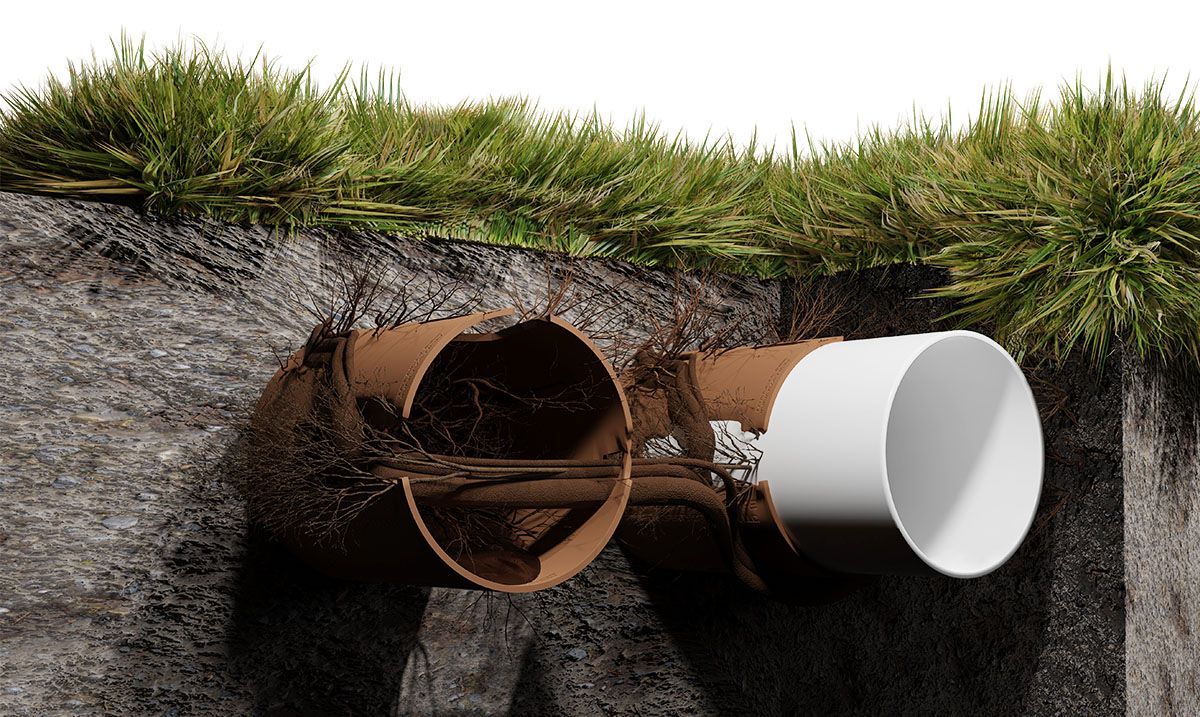
Repair Damaged Pipes Without Tearing Up Your Property
Dealing with cracked, leaking, or deteriorating sewer pipes? Traditional pipe replacement often requires extensive digging, but there's another option. Pickle's Plumbing & Electrical offers pipe lining services in Central Missouri, Kansas City, and surrounding areas, helping homeowners and businesses restore damaged pipes with less disruption to their property.
Pipe lining is a modern plumbing solution that repairs existing pipes from the inside, eliminating the need to dig up entire sections of your yard, driveway, or landscaping in many cases. Whether you're experiencing recurring sewer backups, tree root intrusion, or aging pipes, pipe lining may provide a long-lasting, cost-effective alternative to traditional replacement.
Contact Pickle's Plumbing & Electrical today to learn whether pipe lining is right for your property!
What Is Pipe Lining & How Does It Work?
A Modern Alternative to Traditional Pipe Replacement
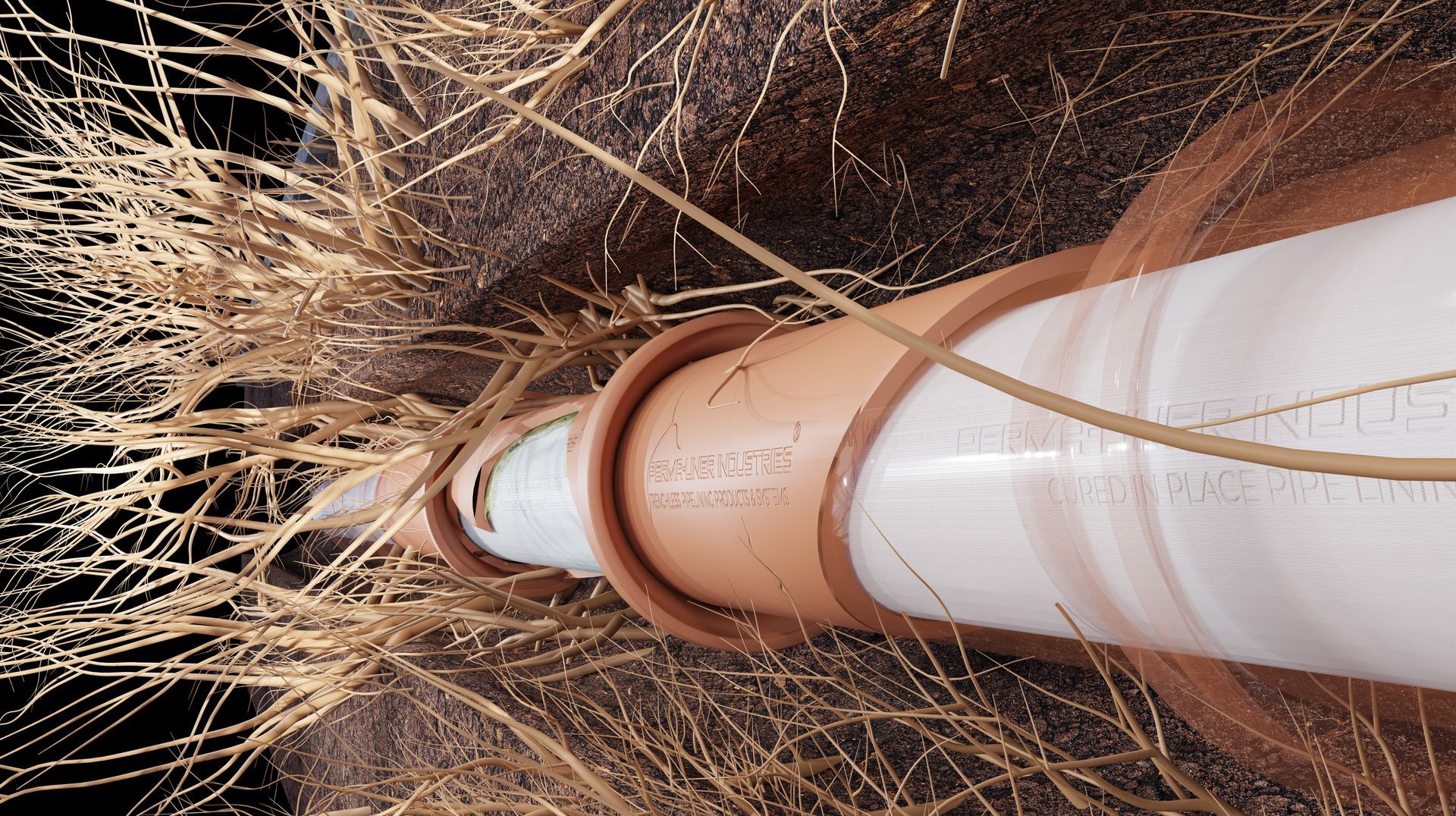
Pipe lining, also known as trenchless pipe lining or cured-in-place pipe (CIPP) lining, is a method of repairing damaged sewer and drain pipes without completely removing them.
Instead of excavating and replacing an entire underground pipe, a flexible liner coated with a specialized resin is inserted into the existing pipeline. Once positioned, the liner is expanded against the interior walls of the damaged pipe and allowed to harden.
The result is a durable, seamless new pipe formed inside the original pipe.
This process can restore the structural integrity of deteriorating pipes, seal cracks, and prevent leaks without the extensive excavation associated with traditional sewer line replacement.
Pipe lining is commonly used to repair:
- Underground sewer lines
- Residential drain pipes
- Commercial drainage systems
- Aging or deteriorating plumbing lines
- Cracked or leaking sewer pipes
- Pipes affected by tree root intrusion
Not every damaged pipe qualifies for lining. A professional inspection helps determine whether the existing pipe can support the process or if replacement is necessary..
Our Pipe Lining Process
How We Restore Your Pipes From the Inside
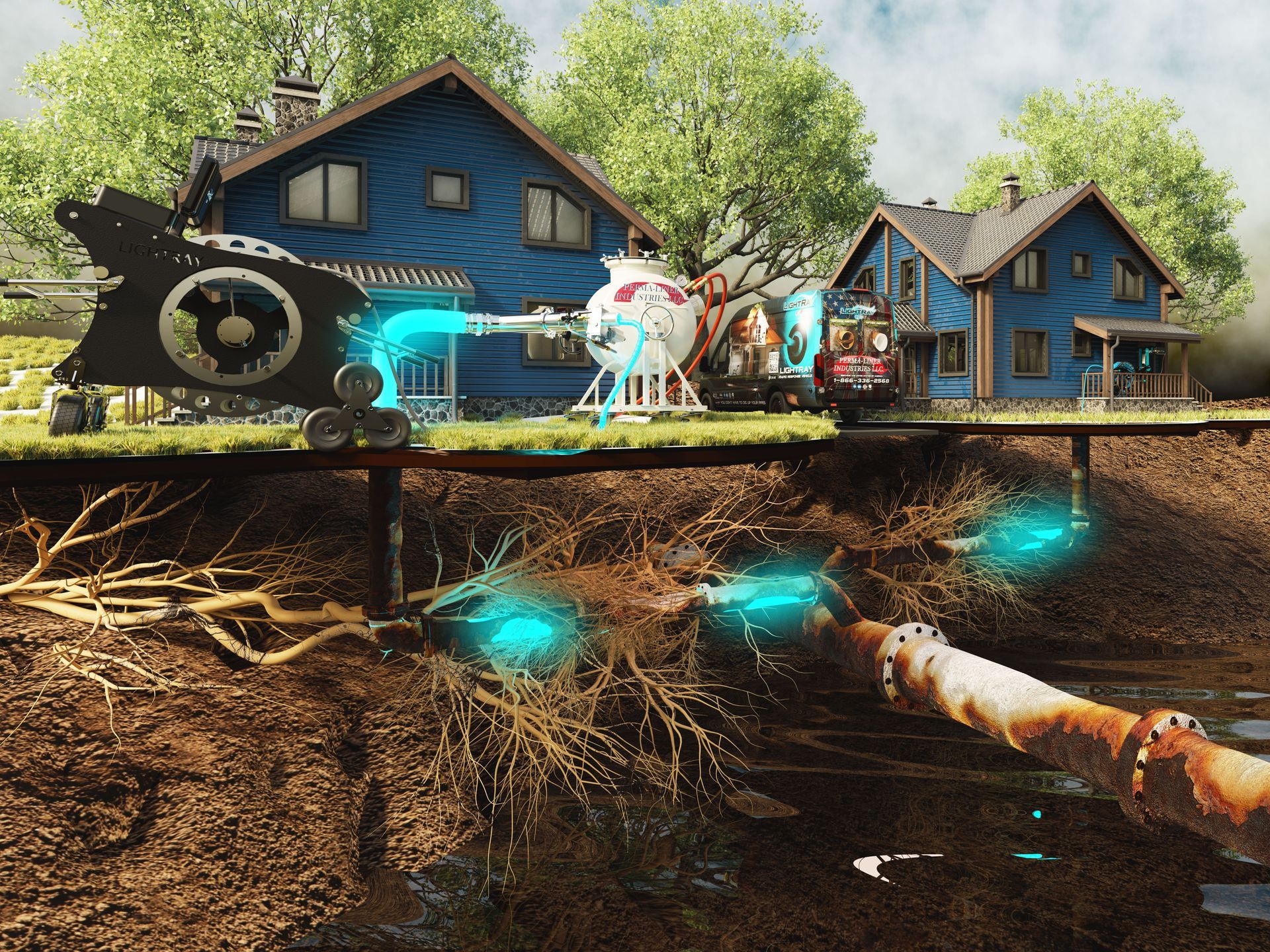
Understanding the pipe lining process can help you feel confident about your plumbing repairs. While the exact steps depend on the condition of your pipes, the process generally includes:
Step 1: Pipe Inspection
The process begins with a thorough inspection of your existing plumbing system. A specialized sewer camera is used to examine the inside of the pipes, identify damage, and determine whether pipe lining is a suitable repair option.
Step 2: Pipe Cleaning & Preparation
Before installing the liner, the existing pipe must be cleaned. Built-up debris, grease, mineral deposits, and tree roots are removed as needed to prepare the interior surface. This allows the liner to fit properly against the pipe walls.
Step 3: Liner Installation
A flexible liner saturated with a specialized resin is inserted into the damaged pipe through an existing access point or a small access opening. The liner is positioned along the section of pipe requiring repair.
Step 4: Liner Expansion & Curing
The liner is expanded against the interior walls of the existing pipe. The resin is then cured using the appropriate method, which may involve heat, ultraviolet light, or another approved curing process. As the resin hardens, it creates a strong, seamless pipe within the original pipeline.
Step 5: Final Inspection & Testing
Once the liner has fully cured, the repaired pipe is inspected to confirm proper installation and ensure wastewater can flow through the system. Any necessary connections are reopened before the line is returned to service.
The result is a restored pipeline with minimal disruption compared to many traditional excavation methods.
How Is Pipe Lining Different From Traditional Pipe Replacement?
Less Digging, Less Disruption, Long-Lasting Results
Pickle’s Plumbing & Electrical proudly serves local businesses in Holden, Blue Springs, Lee’s Summit, MO, and throughout Johnson County and surrounding communities. Whether you run a restaurant, retail space, medical facility, or industrial property, our team is here to keep your plumbing system clear and reliable.
Some of the biggest differences include:
Minimal Excavation
Pipe lining often requires little to no major digging, helping preserve your yard, driveway, and landscaping.
Faster Repairs
Many pipe lining projects can be completed in less time than traditional excavation and replacement.
Less Property Damage
Avoiding extensive digging can reduce damage to surrounding structures and outdoor features.
Long-Term Durability
Properly installed liners are designed to provide years of dependable performance.
Improved Pipe Function
The smooth interior surface helps wastewater move through the pipe while sealing damaged areas.
Reduced Disruption
Homeowners and businesses can often avoid the extended construction associated with conventional pipe replacement.
Although pipe lining offers several advantages, severely collapsed pipes, major alignment problems, or other structural issues may still require traditional replacement.
Is Pipe Lining Cost-Effective?
Save on Excavation, Labor & Property Restoration
One of the biggest advantages of pipe lining is its potential to reduce the overall cost of sewer pipe repairs.
While the initial price of pipe lining depends on the length, diameter, accessibility, and condition of the damaged pipe, the process can eliminate several expenses commonly associated with traditional replacement.
Here's how pipe lining may help you save money:
- Reduced Excavation Costs: Less digging means fewer expenses associated with heavy equipment and excavation labor.
- Minimal Landscaping Repairs: Avoid the cost of replacing grass, plants, trees, and other landscaping features disturbed during traditional sewer repairs.
- Less Concrete Removal: Pipe lining may eliminate the need to break apart and replace driveways, sidewalks, or patios.
- Shorter Project Timelines: Faster completion can help reduce labor expenses and interruptions to your daily routine.
- Long-Term Protection: A properly installed liner can help prevent recurring leaks and deterioration, reducing the likelihood of additional repairs.
For many property owners, the biggest savings come from avoiding the extensive restoration work required after underground pipes are excavated.
Pickle's Plumbing & Electrical can evaluate your existing plumbing system and help determine whether pipe lining offers a practical, cost-effective solution for your situation.
Signs You May Need Pipe Lining
Don't Ignore These Warning Signs of Sewer Pipe Damage
Damaged sewer pipes don't always cause obvious problems right away. Small cracks and leaks can develop over time, eventually leading to backups, drainage issues, and costly property damage.
Recognizing the warning signs early can help prevent more extensive plumbing problems.
Common signs your pipes may need repair include:
- Frequent Drain Clogs: Recurring blockages throughout your home may indicate damage or buildup within your main sewer line.
- Slow Draining Fixtures: Multiple sinks, tubs, or showers draining slowly can signal an issue deeper within your plumbing system.
- Sewer Backups: Wastewater backing up into toilets, tubs, or floor drains may indicate a damaged or obstructed sewer line.
- Unpleasant Sewer Odors: Persistent sewage smells around your home or yard may be caused by leaking or deteriorating pipes.
- Unusually Green or Soggy Lawn Areas: Underground sewer leaks can create damp spots or patches of unusually healthy grass.
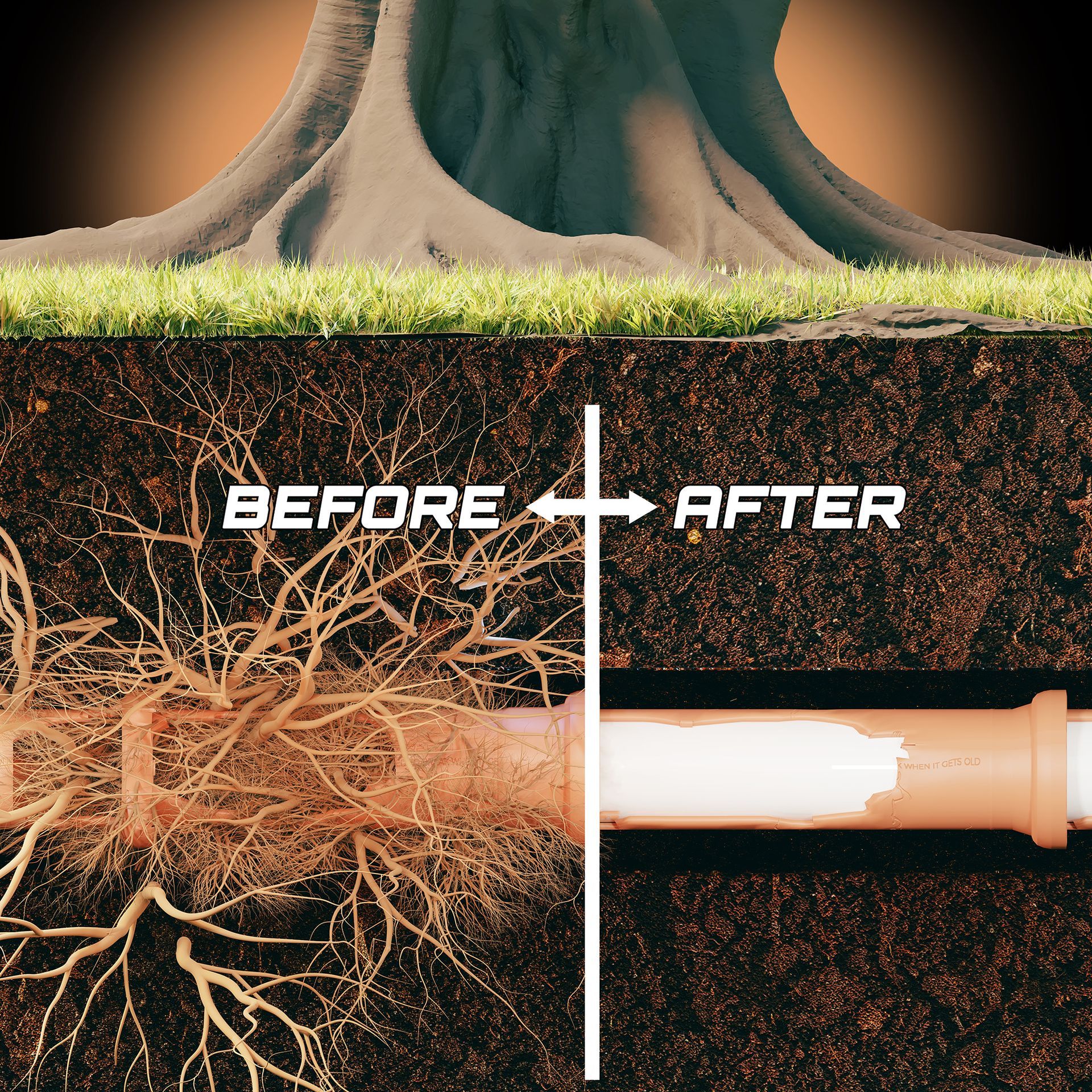
- Recurring Tree Root Problems: Roots entering through cracks or pipe joints can cause repeated blockages and damage.
- Aging Plumbing Systems: Older clay, cast iron, and other deteriorating sewer pipes may develop cracks, corrosion, or weakened joints.
- Repeated Plumbing Repairs: If you continue experiencing the same sewer problems despite previous repairs, the underlying pipe may need rehabilitation.
These symptoms can have several causes, so a professional sewer camera inspection is the best way to determine whether pipe lining is appropriate.
Experiencing recurring sewer problems? Contact Pickle's Plumbing & Electrical to discuss your repair options.
What Common Plumbing Problems Can Pipe Lining Resolve?
Restore Damaged Sewer Lines Without Complete Replacement
Pipe lining can address several common problems affecting underground sewer and drainage systems.
Cracked or Fractured Pipes
Ground movement, aging materials, and everyday wear can cause pipes to crack. Pipe lining creates a new interior barrier that seals cracks and helps restore the pipe's structural integrity.
Tree Root Intrusion
Tree roots naturally seek moisture and can enter sewer pipes through small cracks or loose joints. Once the roots are removed, pipe lining can seal existing entry points and help prevent roots from growing back into the repaired section.
Corroded or Deteriorating Pipes
Older metal pipes can deteriorate from corrosion, leading to rough interior surfaces, leaks, and weakened pipe walls. When the existing pipe is suitable for rehabilitation, lining can provide a new, durable interior surface.
Leaking Pipe Joints
Over time, underground pipe joints may separate or deteriorate, allowing wastewater to escape into the surrounding soil. A seamless liner can seal damaged joints and reduce leakage.
Recurring Sewer Blockages
Cracks, rough interior surfaces, and deteriorating joints can trap debris and contribute to repeated sewer clogs. Pipe lining creates a smoother interior surface that can help improve wastewater flow after existing obstructions are removed.
Minor Pipe Misalignment
Small joint offsets and certain alignment defects may be addressed through pipe rehabilitation when the existing line remains suitable for lining. Significant pipe displacement or collapse generally requires another repair method.
Aging Sewer Lines
Older sewer systems can experience multiple forms of deterioration, even before a major failure occurs. Pipe lining may help extend the useful life of an aging sewer line without requiring complete replacement.
Frequently Asked Questions About Pipe Lining
How long does pipe lining last?
Properly designed and installed cured-in-place pipe liners are often engineered for a service life of 50 years or more. Actual longevity depends on the liner material, installation quality, pipe conditions, and ongoing maintenance.
Does pipe lining require digging up my yard?
In many cases, pipe lining can be completed using existing cleanouts or access points, significantly reducing the need for excavation. Some projects may require small access openings, depending on the location and condition of the damaged pipe.
Can pipe lining fix a completely collapsed pipe?
Generally, no. Pipe lining requires an existing pathway through which the liner can be installed. Severely collapsed pipes or pipes with major structural damage may require excavation or replacement.
Can tree roots grow through a lined pipe?
Pipe lining creates a seamless interior barrier that seals cracks and joints where roots previously entered. While the liner helps prevent future intrusion into the repaired section, roots may still affect other damaged areas of the plumbing system.
Is pipe lining better than replacing sewer pipes?
It depends on the condition of your existing pipes. Pipe lining is often a less disruptive alternative for pipes with cracks, leaks, corrosion, or deteriorating joints. However, traditional replacement may be necessary for collapsed pipes or severe structural problems.
How do I know if my pipes qualify for lining?
A sewer camera inspection can help determine the extent of the damage and whether your existing pipes are suitable for lining. The inspection also helps identify obstructions, collapsed sections, and other conditions that could affect the repair process.
Schedule Pipe Lining Services in Central Missouri & Kansas City
Protect Your Plumbing Without Unnecessary Excavation
Damaged sewer pipes don't always require tearing up your property. With modern pipe lining technology, many underground plumbing problems can be repaired from the inside, helping you avoid extensive digging and costly restoration work.
Pickle's Plumbing & Electrical serves homeowners and businesses throughout Central Missouri, Kansas City, and surrounding areas. Whether you're dealing with recurring sewer backups, aging pipes, or underground leaks, our team can help you explore your options for restoring your plumbing system.
